
Aikido
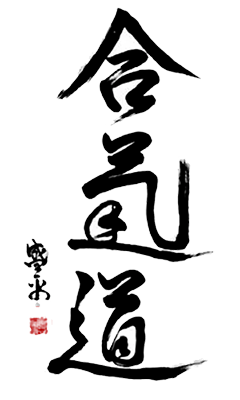
Aikido is a Japanese martial art founded by Morihei Ueshiba (1883-1969). Often described as the “Art of Peace,” Aikido is a physical and mental discipline that provides a means of reconciling violence without succumbing to aggression.
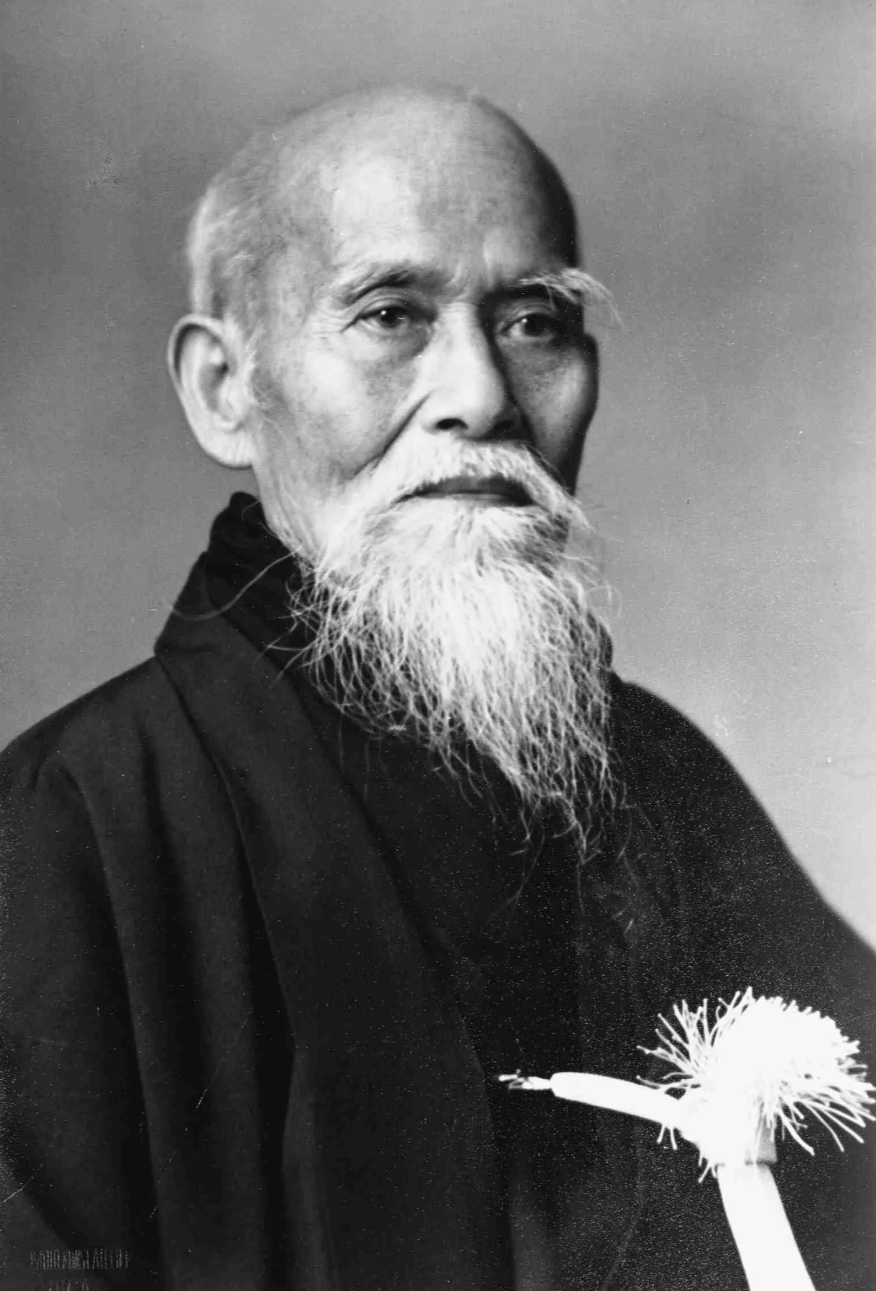
O’Sensei Morihei Ueshiba (1883-1969)
In the early decades of the 20th century, amidst the shifting tides of war and tradition in Imperial Japan, a remarkable figure emerged—Morihei Ueshiba, later known as O’Sensei, or the Great Teacher. A soldier during the Russo-Japanese War, Ueshiba witnessed firsthand the harsh brutality of combat on the frozen plains of Manchuria. It was an experience that would leave an indelible mark on his soul.
Disillusioned by violence, yet deeply rooted in the martial disciplines of his heritage, Ueshiba sought a different path—one that preserved the warrior’s spirit, but transcended the need for harm. Drawing from the precise techniques of Daito-ryu Aiki-Jujitsu, the elegant swordplay of Kenjutsu, and the spiritual teachings of the Omoto-kyo faith, he forged a new discipline. Aikido: the way of harmony. A martial art not of domination, but of unity—where conflict is met not with resistance, but with grace.
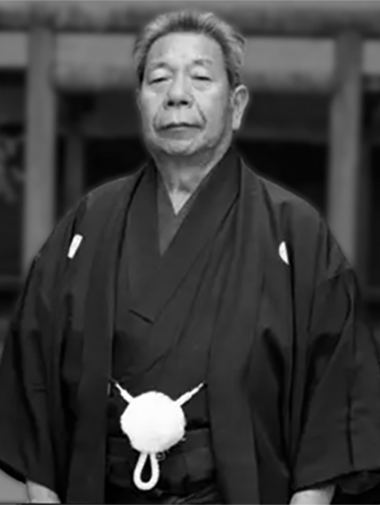
Morihiro Saito Shihan (1928-2002)
Born in 1928 in rural Japan, Morihiro Saito came of age during the upheaval that followed World War II. In 1946, he began training under O-Sensei – at a time when few had regular access to him. The training in Iwama was rigorous, blending physical intensity with spiritual discipline. As O’Sensei grew older, Saito Shihan became his close student, serving as uke, caretaker, and trusted disciple.
This unique proximity gave Saito Shihan unparalleled insight into O’Sensei’s evolving philosophy and methods. He became known for preserving the Iwama style, which emphasized the integration of empty-hand techniques with traditional weapons training, particularly the bokken and jō.
Following he founder’s death in 1969, Morihiro Saito assumed stewardship of the Iwama Dojo and the Aiki Jinja. He held these roles with deep devotion until his passing in 2002, ensuring that the foundational teachings of Aikido remained intact for future generations.
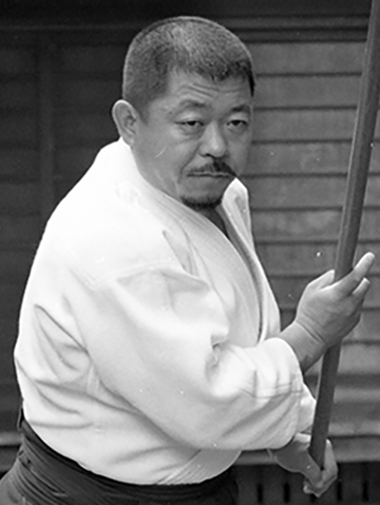
Hitohira Saito Soke
Hitohira Saito began training under his father at the age of four. This marked the beginning of a lifelong calling marked by technical excellence, philosophical depth, and a commitment to preserving a system of movement rooted in both martial utility and spiritual intention.
Following the passing of his father in 2002, Saitō became the caretaker of the Aiki Jinja, the Shinto shrine erected in Ueshiba’s honor. But in 2004, he made a decision that would define his personal course: he formally parted ways with the Aikikai, the main governing body of Aikido, and founded his own organization, the Iwama Shin-Shin Aiki Shuren-Kai.
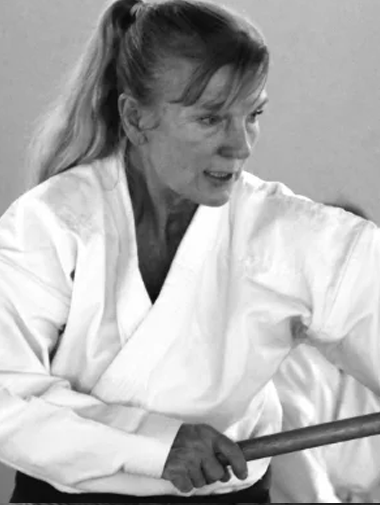
Patricia Hendricks Shihan
Patricia Hendricks Shihan is one of the most respected Aikido practitioners outside Japan, known for her dedication to the Iwama tradition and for breaking new ground as a female martial artist in a historically male-dominated field.
Hendricks Shihan trained directly under Morihiro Saitō Shihan as an uchi-deshi, intensively over several years, earning recognition for her technical precision and deep understanding of the art.
She is one of the few Westerners to receive Menkyo Kaiden, the full transmission in the traditional weapons system of Aikido.
Founder of Aikido of San Leandro in California, Hendricks Shihan has become a global ambassador for Aikido – conducting seminars across the U.S., Europe, and Asia.
 Aikido of Fairfax